
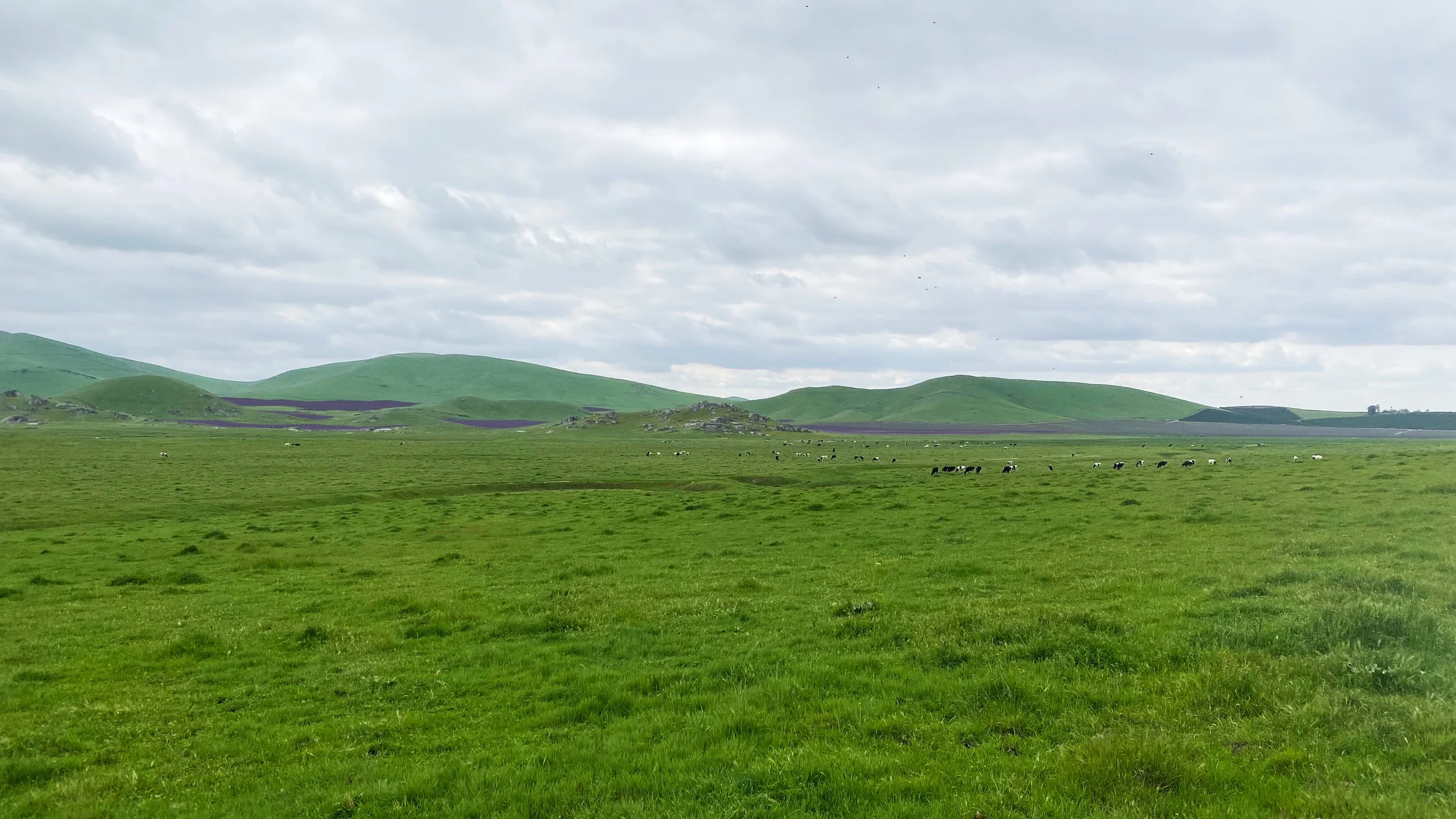
Respecting the land we share
STEWARDSHIP
Our goal is to develop clean energy while respecting the environmental, agricultural, and community values that make this area unique.
Protecting agricultural land & rural heritage
Agriculture is the foundation of Tulare County's economy and heritage. Protecting the long-term productivity of agricultural land to support growers is one of our highest priorities.
Before construction
We work with landowners, agricultural operators, and local agencies to understand current land use and keep it productive in the future — identifying ways to avoid or minimize impacts, protecting soil and drainage, while meeting state and local agricultural requirements.
During & after
Crews limit disturbance to designated work areas, protect valuable topsoil, reduce compaction, control dust and runoff, and manage weeds.
Voluntary participation
Activity is low. Grazing can often continue where appropriate, and at end of life, project equipment will be removed and the land restored.
Why landowners participate
Many see solar as a way to earn stable income while keeping land in the family and preserving it from residential or commercial development. Participation is entirely voluntary.
Wildlife and solar can coexist
Carefully planned solar facilities can continue to support wildlife.
Site selection: Projects favor previously disturbed, fallow, or low-productivity land and avoid sensitive habitats, wetlands, and streams where feasible.
Studies first: Biologists, archaeologists, and other resource specialists surveyed habitat, protected wildlife and plants, wetlands, cultural artifacts, and other resources before construction. Results are reviewed by regulatory agencies before permits are issued.
Habitat remains: Open space between and around panel rows can continue to support many of the same species that were using the site before development.
Low disturbance: Operating solar facilities require very few vehicle trips, little noise, no continuous human activity, and no operational air pollution.
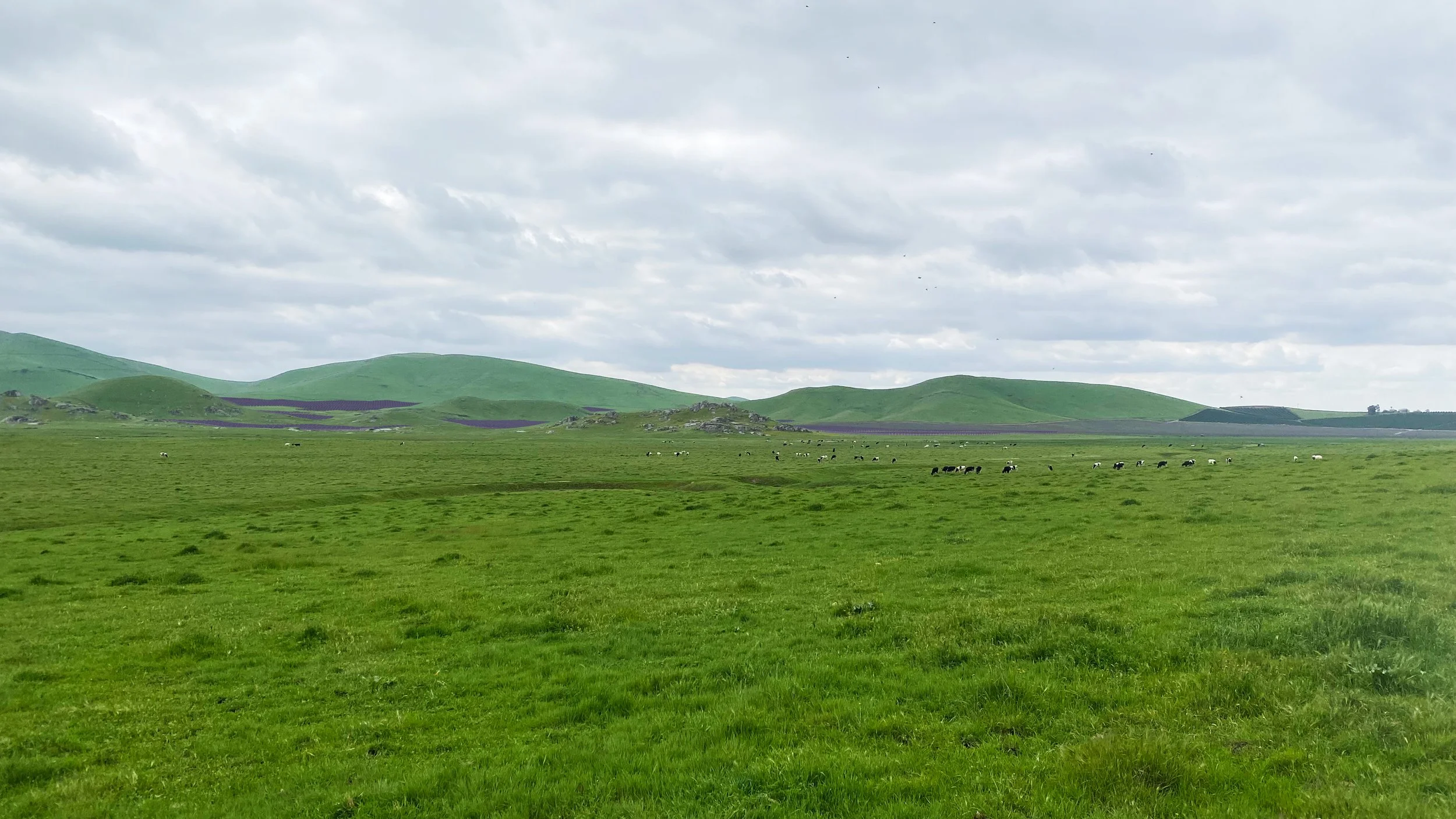
Resource protection & compliance
We're committed to protecting wildlife and habitat, preserving sensitive resources, following permit requirements, and being a good steward of the land.
Before construction
Environmental specialists’ study existing site conditions; identify habitat, protected species, wetlands, streams, and cultural resources; and design the project to avoid or minimize impacts and meet local, state, and federal requirements.
During construction
Work follows approved environmental permits and plans — protecting sensitive areas, active nests, and cultural resources, and restoring temporary disturbance.
After construction
Ongoing restoration monitoring, weed management, maintenance of stormwater and erosion control measures, and permit-required reporting.
Planned environmental studies
As part of the County’s CEQA review, the project anticipates technical studies across the full range of resource areas, including aesthetics (visual simulations), agriculture (Williamson Act analysis), air quality, biological resources, cultural and tribal cultural resources, geology and soils, greenhouse gas, hazardous materials, hydrology and water quality, land use, noise, transportation, utilities, and wildfire.